
Every year, thousands of people are diagnosed with oral cancer. Unfortunately, many of those diagnoses are made late, when treatment is harder to provide, and outcomes are worse. Regularly seeing an oral cancer screening dentist is one of the most powerful steps you can take to protect your health. The good news is that when oral cancer is found early, survival rates are significantly higher. From recognizing early signs to understanding the mechanics of a screening, here is everything you need to know about the power of early detection.
What Are the Warning Signs of Oral Cancer?
Most people don’t know the early signs of oral cancer, which is what makes it so dangerous. Because symptoms can look like everyday oral problems, it is easy to brush them off.
Here are some signs worth paying attention to:
- A sore in your mouth that does not heal within two to three weeks
- Red or white patches on your gums, tongue, or inner cheeks
- Unexplained bleeding, pain, or numbness in your mouth or throat
- A lump, thickening, or swelling in your cheeks, neck, or jaw
- Trouble chewing, swallowing, or moving your tongue
- A voice change or persistent hoarseness
While these symptoms aren’t always an indication of oral cancer, they should never be ignored. The sooner you get checked by an oral cancer screening dentist, the better.
Who Is Most at Risk?
Certain habits and health factors increase your chances of developing oral cancer. Therefore, understanding your risk level is important.
The most common risk factors include tobacco use in any form, heavy alcohol consumption, infection from HPV, prolonged sun exposure on the lips, and being over the age of 40. That said, oral cancer can affect people outside these groups as well. For example, young adults with no tobacco or alcohol history have been diagnosed with HPV-related oral cancer.
How Does an Oral Cancer Screening Dentist Check for Cancer?
Many patients are surprised to learn that an oral cancer screening is quick, painless, and easy. It typically takes just a few minutes during your regular dental visit. No special appointment is needed in most cases.
What Happens During the Exam?
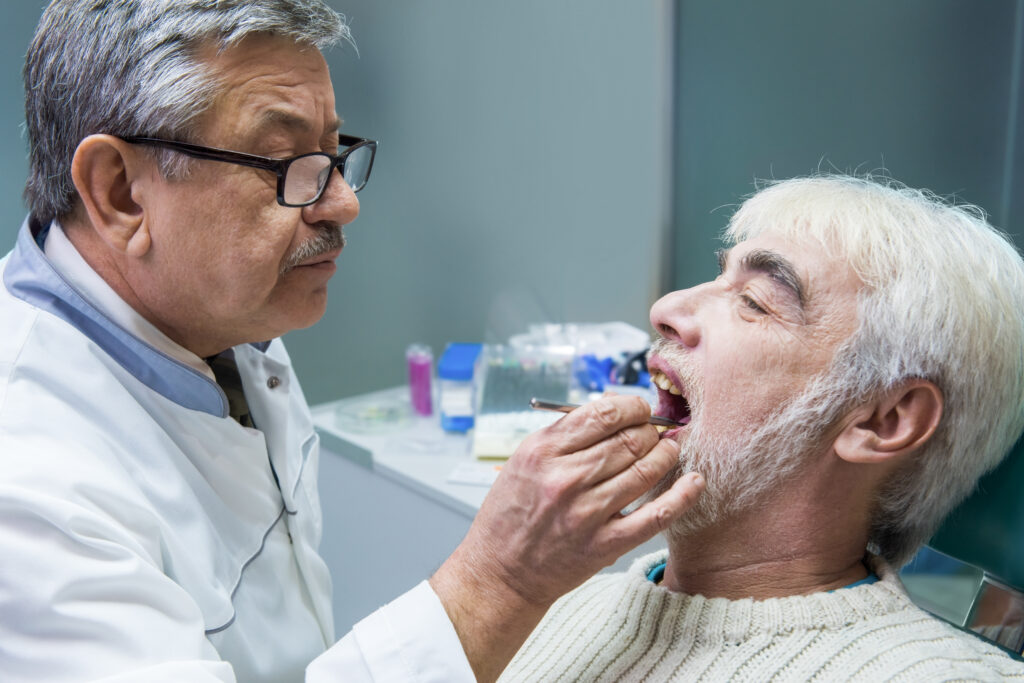
Your dentist will look carefully at your lips, tongue, gums, cheeks, throat, and the roof and floor of your mouth. They will also gently feel around your jaw and neck for any lumps or swollen lymph nodes.
Most importantly, your dentist is trained to spot things you would likely never notice on your own. Small changes in tissue color, texture, or shape can signal a problem long before it causes pain.
Advanced Screening Tools
Some dental offices use special technology to improve early detection. One example is a fluorescence light device, such as a VELscope, that makes abnormal tissue glow differently from healthy tissue. This tool helps dentists see potential problem areas that are invisible to the naked eye.
If something unusual is found, your dentist will discuss the next steps with you. This may include a follow-up visit, a biopsy referral, or a consultation with a specialist. Finding something early does not automatically mean a diagnosis; it simply means getting answers sooner.
Why Is Early Detection So Important?
The difference between catching oral cancer early and catching it late can be life-changing. According to the Oral Cancer Foundation, the five-year survival rate for localized (early-stage) oral cancer is around 84%. However, once it has spread, that rate drops significantly.
Early detection also means simpler treatment. Smaller tumors often require less aggressive surgery and less recovery time. Therefore, a routine dental visit could do far more than protect your teeth — it could save your life.
The Problem With Waiting
Many people wait until something hurts before visiting a dentist. Unfortunately, oral cancer often does not cause pain in the early stages. By the time it becomes painful or highly visible, it may already have progressed.
Because oral cancer grows quietly, the only reliable way to find it early is through regular professional screenings. Relying on self-checks alone is not enough.
Should You Be Getting Screened at Every Dental Visit?
Most dental professionals recommend routine dental checkups every six months. These visits are the ideal time to include an oral cancer screening, as your dentist is already examining your mouth.
For most patients, this is all that is needed. However, people with higher risk factors may benefit from more frequent screenings or additional monitoring. Talk honestly with your dentist about your habits and health history. That conversation could make a real difference.
Oral health is deeply connected to your overall health. For example, patients with gum disease, chronic inflammation, or certain immune conditions may face a higher risk of oral cancer as well. Preventive dental care addresses these concerns together — not in isolation.
What About Patients Who Feel Anxious at the Dentist?
Dental anxiety is very common. Many people avoid the dentist for years because of fear or discomfort. If that sounds familiar, you are not alone.
The truth is that modern dental care is far more comfortable than it used to be. An oral cancer screening involves no needles, no drilling, and no pain. It is one of the gentlest things a dentist can do. If anxiety has kept you away, this might be the perfect reason to come back.
Oral Cancer Screening Dentist in Middletown, NJ
We believe that every patient deserves thoughtful, proactive dental care. At our practice, oral cancer screenings are a standard part of every routine exam because we know that early detection saves lives. Dr. Jay Gohel and our team are committed to making you feel comfortable, informed, and cared for from the moment you walk in.
Whether you are due for a regular checkup or you have noticed something that concerns you, we are here to help. Do not wait. Schedule your appointment today to learn about our comprehensive dental services and how we can support your health. Being proactive now is the best investment you can make in your future.
Oral Cancer Screening Dentist FAQs
How often should I get an oral cancer screening?
Most adults should be screened at every routine dental checkup, typically every six months. Higher-risk patients may need more frequent exams.
Does an oral cancer screening hurt?
No. The screening involves a gentle visual exam. It is completely painless and takes only a few minutes.
What happens if my dentist finds something suspicious?
Your dentist will explain what they found and recommend next steps, which may include a follow-up visit or a referral for a biopsy. Finding something early is always better than waiting.
Who is most at risk for oral cancer?
People who use tobacco, drink heavily, have had HPV, or are over 40 face a higher risk. However, oral cancer can affect anyone, so regular screenings are important for all adults.
Can I check for oral cancer at home?
You can do a basic self-check by looking for sores, patches, or lumps in your mouth. However, professional screenings are far more thorough and can detect changes that are not yet visible to you.
Is oral cancer treatable if caught early?
Yes. When found early, oral cancer has a much higher survival rate and often requires less aggressive treatment. That is why proactive screening is so important.
